
Treat Your Personal Projects Like a Pro: Engineering Discipline for Success
Discover why treating your personal projects with professional engineering discipline is crucial for your growth. Learn Phase-0 planning, Git flow, and Kanban to build better software and impress employers.

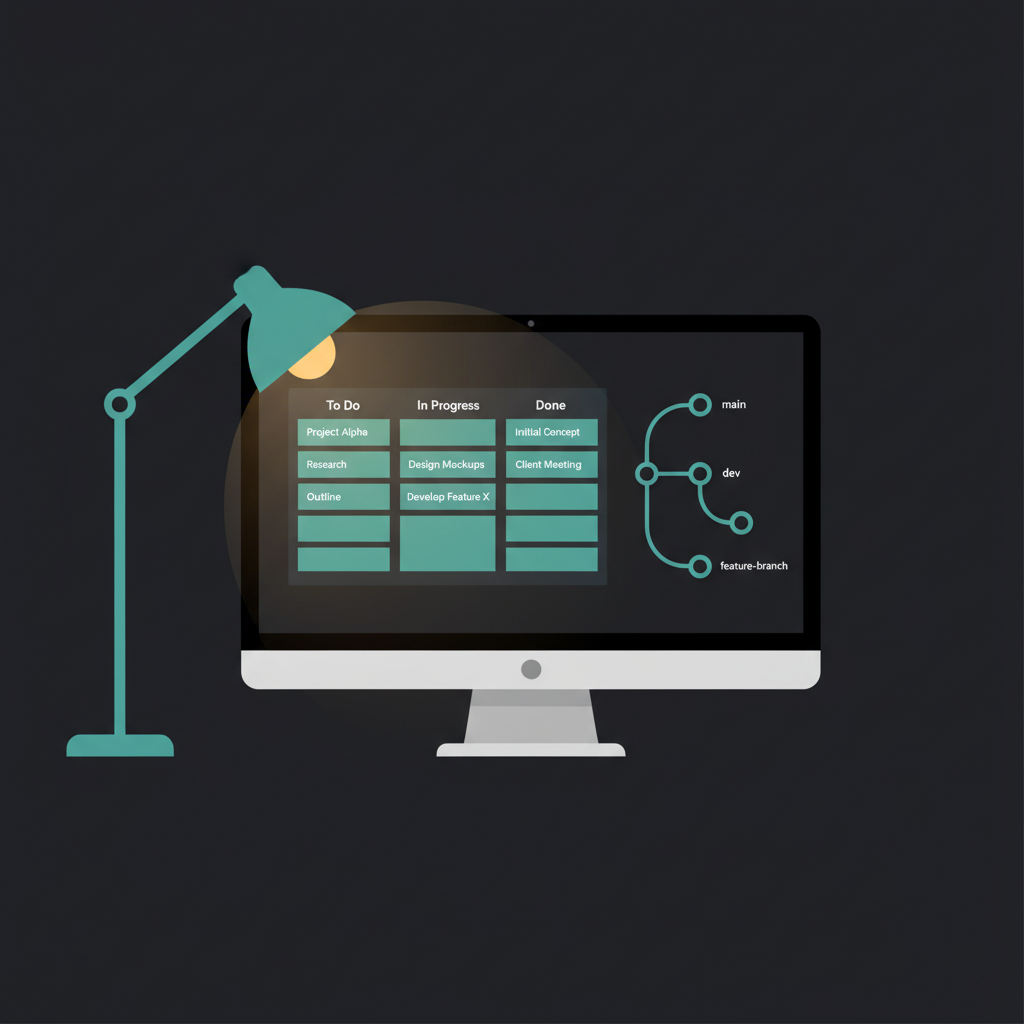
Why Professional Discipline Matters for Your Personal Projects
As aspiring software engineers, we often dive headfirst into coding our passion projects. While enthusiasm is vital, building great software requires more than just raw talent. Treating your personal projects with professional engineering discipline is not just a good idea; it's a strategic move that significantly enhances project quality and your career prospects.
Think of it like building a house. You wouldn't start hammering nails without a blueprint, would you? Similarly, professional software development involves structured planning and execution. Applying these principles to your personal work elevates it from a hobby to a demonstrable skill set.
Phase-0 Planning: The Foundation of Success
Before writing a single line of code, professional teams engage in 'Phase-0' planning. This crucial initial stage lays the groundwork for the entire project. It involves defining the project's core structure, establishing clear ownership, and outlining workflows.
Structure and Scope
What exactly are you building? What are its core features? Defining the project's scope prevents 'scope creep' – the uncontrolled expansion of features that can derail even the best intentions. A clear structure ensures you know where you're going.
Ownership and Responsibilities
Even in solo projects, defining 'ownership' means taking responsibility for different aspects. Who is responsible for the frontend? Who handles the backend? For collaborative projects, clear ownership prevents confusion and duplicated effort.
Workflows and Processes
How will you manage tasks? How will you handle bug fixes? Establishing workflows, even simple ones, brings order to the development process. This foresight saves immense time and frustration down the line.
Practical Tools and Methodologies
Several established tools and methodologies can bring professional discipline to your personal projects. Adopting even a few can make a world of difference.
Git Flow: Mastering Version Control
Git is essential, but understanding a branching strategy like Git Flow can revolutionize your workflow. It provides a framework for managing features, releases, and hotfixes systematically.
- Main/Master Branch: Represents production-ready code.
- Develop Branch: Integrates features before a release.
- Feature Branches: Isolate new feature development.
- Release Branches: Prepare for a new production release.
- Hotfix Branches: Quickly address critical bugs in production.
Using Git Flow ensures your codebase remains stable and organized, making collaboration smoother and rollbacks easier if needed.
Kanban Boards: Visualizing Your Workflow
Kanban boards offer a highly visual way to manage tasks and track progress. They break down work into manageable steps, typically represented by columns like 'To Do,' 'In Progress,' and 'Done.' This visual approach helps identify bottlenecks and maintain momentum.
Beginner-Friendly Kanban Tools:
- Trello: Simple, intuitive, and great for solo or small teams.
- Asana: More robust features for task management and project oversight.
- Jira: Powerful, industry-standard tool, though it has a steeper learning curve.
Pros and Cons of Adopting Methodologies
Implementing these practices isn't without its challenges, but the benefits often outweigh the costs.
Pros:
- Improved code quality and stability.
- Better organization and reduced confusion.
- Enhanced collaboration capabilities.
- Streamlined debugging and issue resolution.
- Development of highly sought-after professional skills.
Cons:
- Initial learning curve for new tools and strategies.
- Can feel like 'overkill' for very small, simple projects.
- Requires discipline to maintain consistently.
Impressing Recruiters: Beyond the Code
Recruiters and hiring managers look for more than just technical proficiency. They seek candidates who demonstrate maturity, organization, and a professional approach to software development. When you can talk about your use of Git Flow, how you manage tasks with a Kanban board, or your structured Phase-0 planning for a personal project, you showcase these valuable traits.
This discipline signals that you understand the software development lifecycle and are ready to integrate seamlessly into a professional team. It differentiates you from candidates who only focus on writing code.
The Long-Term Value of Discipline
Investing time in these practices for your personal projects builds habits that will serve you throughout your career. You'll become a more efficient, reliable, and valuable engineer. This discipline isn't just about completing a project; it's about developing a professional mindset that leads to continuous improvement and greater success.
What are your favorite tools or techniques for managing personal projects? Share your insights in the comments below!